How to organize household instruction manuals so you can find them quickly
· Editorial team miaminewsdaily7.com
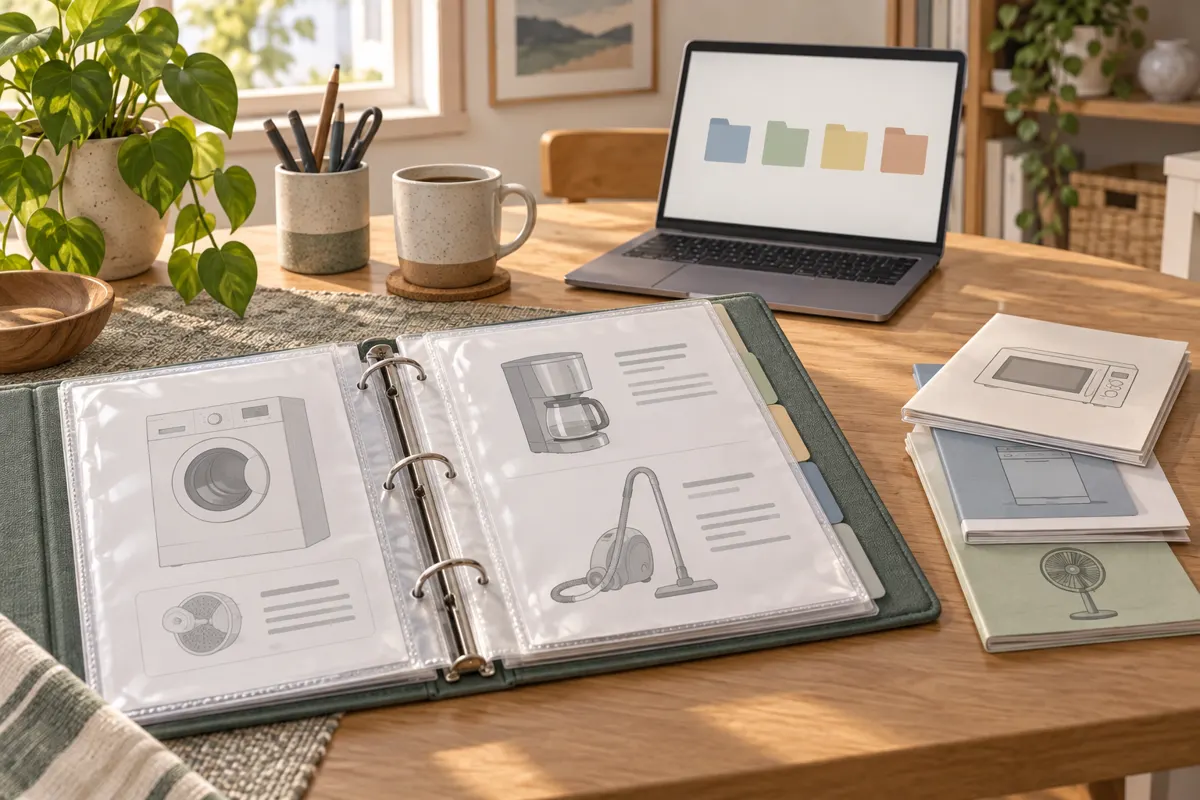
Keep household instruction manuals in one designated place, group them into a few familiar categories, and label each one with the item name and model number. A binder, file box or digital folder can work. The practical proposal below helps you choose a system, file what you need and keep it useful as household items change.
Gather the manuals and match them to what you own
Start with one collection point: a box, basket or clear area on a table. Check kitchen drawers, storage cupboards, the garage and anywhere you keep household paperwork. Gather instruction booklets, assembly sheets and related warranty documents before buying storage supplies.
As a proposed first sorting pass, match every manual to an item you still own. Read the cover and check the model number against the product label where accessible. If a booklet covers several models, mark yours on a removable note so you can identify the relevant instructions later.
- Keep instructions for items currently in your home.
- Set unidentified manuals aside until you can match them to a product.
- Separate duplicates and paperwork for items you have sold, donated or discarded.
- Keep related documents together, but check them before discarding anything that may still matter.
Choose categories that match how you search
Choose category names based on what you would think of when looking for instructions. The supplied organizing guide uses labeled binder dividers and suggests grouping manuals in whatever way makes sense to the household. You can organize by room or by type of equipment.
A proposed starting set is kitchen appliances, laundry and cleaning, electronics, heating and cooling, and tools and outdoor equipment. Add furniture if you have assembly instructions to keep. Avoid creating a separate category for every object; the aim is to make the first filing decision obvious.
Use one organizing rule consistently. If you choose equipment types, keep the vacuum under laundry and cleaning even when it lives in a bedroom cupboard. Within each category, arrange manuals alphabetically by everyday item name, such as coffee maker, dishwasher and refrigerator.
Give paper manuals a clear, accessible home
A binder with labeled dividers and clear sheet protectors is one paper option described in the source guide. Sleeves hold loose sheets and booklets together without punching holes through them. Store the binder somewhere convenient, such as an office shelf or kitchen cupboard.
For thick booklets, a proposed alternative is a file box with one folder per item. Choose whichever format fits your paperwork without forcing pages into crowded sleeves or overfilling the binder.
- Label the binder or box Household manuals.
- Add your category labels to dividers or hanging folders.
- Label each sleeve or item folder with the product name, brand and model number.
- Place the manual and related warranty paperwork together.
- Tell everyone in the household where the collection lives and where to return borrowed manuals.
Use searchable names for digital manuals
If you prefer digital storage, the proposed approach is to create a main Household manuals folder with the same categories you would use for paper. Rename files so their purpose is clear without opening them. For example, Dishwasher_Brand_Model123_Manual.pdf is easier to recognize than an unexplained string of numbers.
When saving a manufacturer’s manual, check that it covers your exact model. If you scan paper instructions, include all pages, check that diagrams are readable and confirm that pages are in order before deciding whether to keep the paper copy.
Keep a backup of the folder and make sure household members can access it. A hybrid system is also an option: retain useful paper booklets and store digital copies alongside a simple list showing where each paper manual is filed.
Update the collection when items change
A proposed maintenance routine is to file instructions when a new item arrives and review the matching folder when an old item leaves. If you pass an appliance or piece of furniture to someone else, include its instructions. Remove obsolete digital copies at the same time.
Give incoming paperwork one temporary tray if you cannot file it immediately, then empty that tray during your usual paperwork routine. Occasionally check for duplicate files, unclear labels and overfilled sleeves. To check usability, pick an item and try finding its manual using only the category and label. Adjust any label that makes you hesitate.